
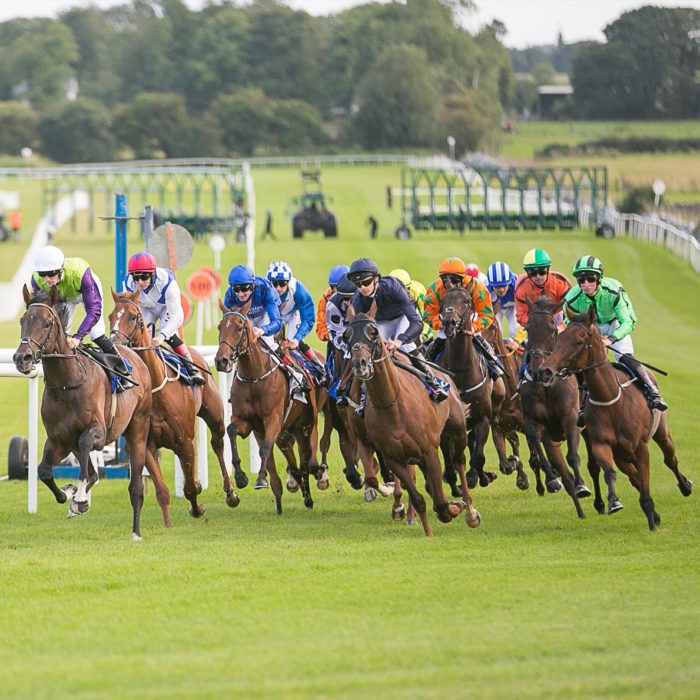
The State of UK Horse Racing: What Happens When It’s Not On?
Horse racing is an integral part of British culture, drawing crowds and generating substantial economic activity. However, what happens when the races are not on? Various factors can lead to the cancellation of races, including adverse weather conditions, health crises, or regulatory issues. The implications stretch far beyond just the loss of a day at the track. In this article, we explore the myriad consequences of horse racing not taking place and highlight the ongoing efforts of organizations such as UK horse racing not on GamStop Merseyside Mounted to support equestrian activities in the UK.
The Economic Impact of Cancellations
The economic implications of cancelled horse racing events are significant. In the UK, the horse racing industry contributes approximately £3.5 billion annually to the economy and employs thousands of people. When races are cancelled, the ripple effect can be felt throughout the economy. Bookmakers, catering services, and hospitality venues around racecourses often face financial strain during these cancellations. City centers that usually benefit from the influx of racegoers may also see a downturn in business.
Many small businesses rely on the volume of visitors attending racing events. From hotels that accommodate out-of-town guests to local restaurants offering food and beverages, the cancellations can force some establishments to operate at a loss. This economic strain is felt more acutely by areas heavily reliant on the tourism horse racing generates.
Social Consequences
Cancellations don’t just affect the economy; they also impact social dynamics. Horse racing is a communal event that brings together a diverse cross-section of society. It serves as a social hub where friendships and connections are forged, often transcending class and creed. When races are not on, people miss out on these social interactions, which can lead to a sense of isolation for some.
Moreover, horse racing is often seen as a family-friendly activity, where children learn about horses, sportsmanship, and responsibility. The lack of races removes this educational opportunity for young aspiring equestrians. Organizations focused on youth engagement and education in equestrian activities step up to fill this void, promoting workshops, training sessions, and other events to keep the passion alive.
The Effect on Horse Welfare
Another critical aspect to consider is how cancellations impact horse welfare. If races do not take place, training schedules are disrupted. Horses require regular exercise to stay healthy, and without races, some trainers may alter their routines, which could lead to issues like obesity or health problems over time. Furthermore, horses thrive on mental stimulation that comes from competition; without it, their overall wellbeing can decline.
The racing community largely maintains a commitment to equine welfare, leading to initiatives that aim to keep horses engaged through other avenues, such as dressage competitions or community events. Trainers and owners alike are encouraged to seek alternative methods to keep their horses active and mentally stimulated.
Regulatory Changes and Future Directions
The COVID-19 pandemic highlighted vulnerabilities within the horse racing industry. Many racing events were canceled worldwide, and the UK was no exception. In response, regulatory bodies began evaluating how to make the industry more resilient to such disruptions in the future. They have introduced measures like enhanced health protocols, virtual racing events, and online betting options to keep the community engaged.

As racing authorities look to the future, technological innovations become part of the conversation. Enhanced broadcasting, data analytics in training, and improved track surfaces are just a few areas making a mark. The goal is to stimulate interest and keep the momentum going, even if physical races aren’t taking place.
Community and Charitable Efforts
In the face of cancellation challenges, the horse racing community finds ways to rally support. Charity events, fundraising for equine health organizations, and outreach to local residents become focal points during downtimes. Community engagement thrives, and organizations such as Merseyside Mounted showcase how mounted police units help maintain a relationship between the public and equestrian activities in local communities.
Conclusion
While horse racing cancellations pose significant challenges to the economy, social fabric, and horse welfare, they also accentuate the community’s resilience. The adaptability shown by the racing industry illustrates a commitment to perseverance, innovation, and social responsibility. Equally, organizations like Merseyside Mounted play a crucial role in bridging the gap during these tumultuous times by promoting equestrian values and maintaining public engagement. Remaining vigilant and supportive of the community will ensure that when the races are back on, they will continue to thrive and connect people to the beauty and excitement of horse racing.
