
Stepan Shulga’s twenty years moving between esports operations and iGaming product leadership have taught him that the best table games survive on clarity, not complexity. That mindset shapes how I read the craps field bet explained for an Australian audience: it is a single-roll wager built around quick decisions and visible outcomes, not the layered progression of a pass line strategy. If you have spent an arvo watching regional New South Wales rugby league and prefer a bet that resolves before the next drink arrives, this one deserves a proper look. I have written this from the perspective of someone who has shipped betting products across markets where mobile-first habits and responsible gambling safeguards sit side by side, so the focus stays on how the bet works, where it fits, and what to watch before you place chips on the layout.
How the Field Bet Works on the Table

The field bet is a one-roll proposition that pays out when the shooter rolls one of the numbers printed on the field strip, usually 2, 3, 4, 9, 10, 11, and 12, with 5, 6, 7, and 8 losing the wager. Most layouts pay double for 2 and 12, and sometimes triple for one of those two depending on the casino, so the first thing to check is the printed payoff on the felt before you hand over your chips. The bet sits in the centre of the table and is resolved immediately after the next roll, which is why it feels different from a multi-roll line bet that can ride through several throws.
I have seen product teams treat this kind of fast-resolution wager like a sprint metric rather than a long-form engagement tool, and that comparison matters here. In my experience shipping products where esports match timers and betting windows had to align, the lesson was always the same: fast outcomes need fast comprehension, and players should know the payoff before they press the button. The field bet rewards that discipline because the maths are visible on the table, but the house edge still sits where the layout dictates it, so the wager is about choosing a pace, not finding a hidden edge.
| Outcome | Typical Payoff | Notes |
|---|---|---|
| 2 or 12 | 2 to 1 (sometimes 3 to 1 on one number) | Check the printed payoff on the felt |
| 3, 4, 9, 10, 11 | Even money | Standard on most layouts |
| 5, 6, 7, 8 | Lose | Not paid by the field |
The table above is a quick reference, not a promise of any specific casino’s printed payoffs, because layouts vary and the exact numbers on the felt are what matter at the moment you place the chips.
Where the Field Bet Fits in a Session
The field bet is best read as a pace choice rather than a strategy pillar, because it resolves in a single roll and then either pays or disappears. That makes it useful when you want a short, defined action between longer multi-roll bets, or when you prefer a wager that does not ask you to track the shooter’s rhythm across several throws. It is not a replacement for line bets, and it is not a slow-build proposition; it is a different priority, and that distinction is what I want Australian players to keep in mind.
I have spent years aligning betting products with mobile habits, and the same principle applies here: quick bets suit quick sessions, but they also ask for clearer boundaries. Regional New South Wales players often mix pub culture, local sporting viewing, and casual table time, and that mix works better when the bet’s role is explicit rather than blurred. If you are using the field bet as a short burst of action, treat it like that and move on; if you are hoping it will carry a longer session, the maths will remind you that single-roll wagers are not built for that.
The practical judgement call is simple: use the field bet when you want a fast, visible outcome and you are comfortable with the printed payoff on that specific table. Skip it when you want a multi-roll structure or when the layout’s payoff on 2 and 12 is less generous than you expected. That is the kind of decision I have applied across products where interface clarity had to match player expectations, and it is the same call here.
Interface, Localisation, and Everyday Usability
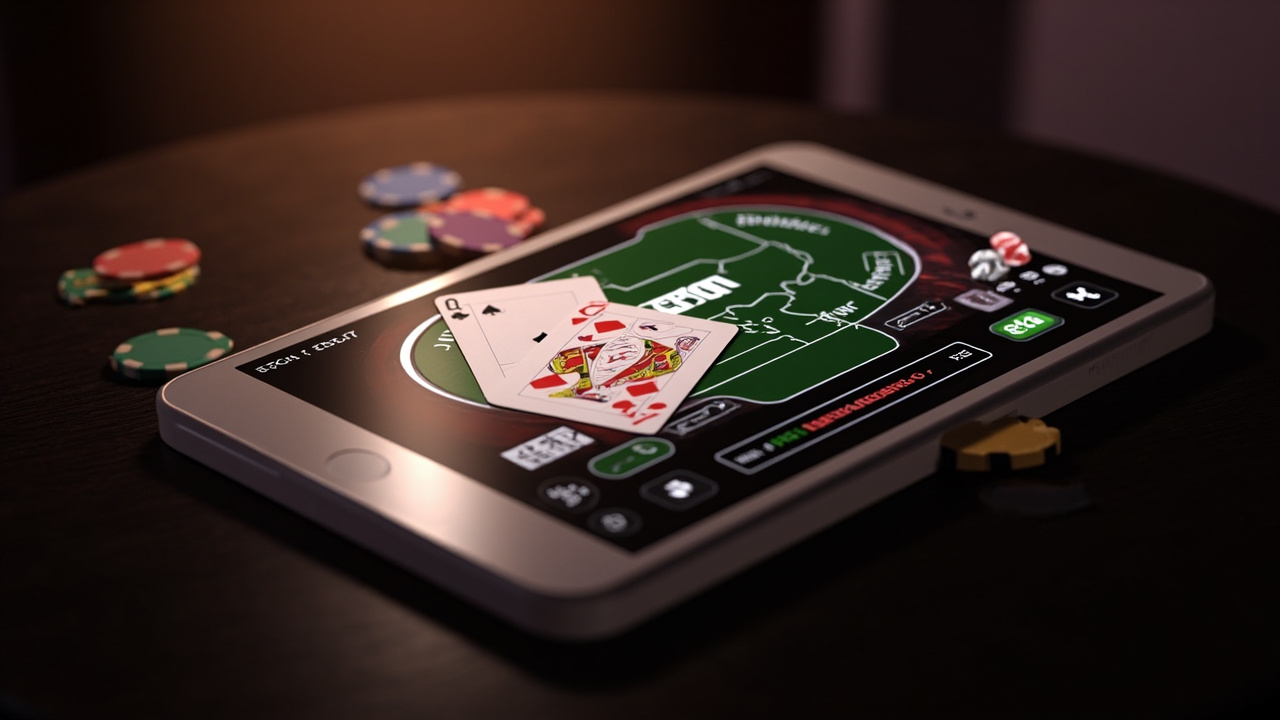
A craps table, whether live or digital, has to make the field bet legible before it has to make it exciting, and that is where product design meets everyday usability. The field strip should show the paying numbers clearly, the payoff for 2 and 12 should be printed where you can read it without leaning across the layout, and the chip placement area should be obvious enough that you are not guessing where the bet belongs. When those elements are clean, the bet feels straightforward; when they are cluttered, the same wager turns into a hesitation.
I have reviewed products where localisation made the difference between a table that felt accessible and one that felt like it was speaking a different language, and that experience informs how I read this bet for Australian players. Currency display, language, and navigation should match the market you are in, and that includes showing payoffs in a way that does not ask you to do mental conversion while the dice are already in motion. If you want a broader read on how often a game actually pays out and why hit frequency is easy to misread, I would point you toward Casino Hit Rates Explained for Australian Players at https://goldengooseshoponline.com/journal/hit-frequency-myths-0bffcd, because the same clarity matters when you are judging a single-roll wager against your session expectations.
The usability judgement is not about flash; it is about whether you can place the bet, read the payoff, and understand the result without friction. That is the standard I have applied to tables and betting products across markets, and it is the same standard I would apply here: if the field bet is easy to read and easy to place, it does its job; if it is buried in a busy layout, it is doing something else entirely.
Responsible Play and Practical Judgement
The field bet is a single-roll wager, and that means it is also a single moment of decision, which is why responsible play habits matter more than the surface excitement of a quick payoff. Australian markets already place a strong emphasis on responsible gambling safeguards, and that includes tools that help you set limits, pause, and step back when a session is running longer than you intended. The bet itself does not change that; what changes is how you use it, and whether you treat it as a defined piece of action or as something to keep pressing.
I have worked in environments where product design had to coexist with player protection, and the consistent lesson was that clarity and limits are not opposites; they are what make a product usable over time. That same judgement applies to the field bet: know the printed payoff on the table you are playing, know that the house edge is set by the layout, and decide in advance how this bet fits into a session rather than letting each roll decide for you. If you want a table that puts this bet in a readable layout and keeps the rest of the experience straightforward, you can find the positioning and game details at https://samurai-matome.com/.
The practical call is straightforward: use the field bet when it matches the pace you want, keep it within the limits you have set, and do not let a fast payoff convince you that the next roll is any different from the last one. That is the kind of discipline I have seen work across products and markets, and it is the same discipline that keeps a single-roll bet from becoming a session problem.
